Caravan Towing Tips for Beginners in NSW
Towing a caravan for the first time can feel challenging, especially when travelling along regional NSW roads. From checking tyre pressures to understanding towing limits, proper preparation helps you travel more safely and confidently. Whether you're looking for
towing in Dubbo or planning a trip through Mudgee, Narromine and the Central West, these beginner-friendly caravan towing tips will help you prepare for your next adventure.
Understand Your Vehicle's Towing Capacity
Before connecting your caravan, check whether your vehicle can safely handle its weight. Every vehicle has a maximum towing capacity, and exceeding this limit can affect braking, steering and overall stability.
You'll need to understand several important weight ratings:
- Braked towing capacity: The maximum trailer weight your vehicle can tow when the trailer has suitable brakes.
- Unbraked towing capacity: The maximum permitted trailer weight without independent trailer brakes.
- Gross Vehicle Mass (GVM): The maximum permitted loaded weight of your towing vehicle.
- Gross Combination Mass (GCM): The maximum permitted combined weight of your loaded vehicle and caravan.
- Aggregate Trailer Mass (ATM): The maximum permitted total weight of your loaded caravan when uncoupled.
Your vehicle, towbar and caravan must all remain within their applicable limits. Remember to account for passengers, luggage, water tanks and other equipment.
For more information, read our guide to
braked vs unbraked towing capacity explained.
Check Your Caravan's Tyre Pressures
Correct tyre pressure is essential for safe caravan towing NSW drivers can rely on. Underinflated tyres may generate excessive heat, while incorrect pressures can affect handling, braking and tyre wear.
One common question beginners ask is about rear tyre pressure when towing caravan loads. Because towing in Mudgee and beyond adds weight to the rear of your vehicle, the recommended pressure may differ from everyday driving.
Before departing:
- Check your vehicle's tyre placard and manufacturer's towing recommendations.
- Inflate caravan tyres according to their specifications and actual load.
- Inspect tyres for cracks, bulges and uneven wear.
- Check the condition and pressure of your spare tyres.
- Measure pressures when tyres are cold.
Avoid guessing tyre pressures based on appearance. If you're unsure, consult your vehicle manual or a qualified tyre professional.
Distribute Weight Evenly
Poor weight distribution can make a caravan unstable, particularly when travelling at higher speeds or encountering strong crosswinds.
Place heavier items low and close to the caravan's axle area, while keeping the load appropriately balanced from front to rear. Avoid placing excessive weight at the back, as this can contribute to dangerous swaying.
You should also check your caravan's tow ball download, which is the downward force applied to your vehicle's towbar.
For example, placing several heavy storage containers behind the caravan's rear axle may reduce stability. Moving suitable items closer to the axle can improve the balance, provided all weight limits remain satisfied.
Always secure loose belongings before travelling.
Use Suitable Towing Mirrors
Caravans are often wider than the vehicles towing them, making standard side mirrors insufficient for seeing surrounding traffic.
Suitable towing mirrors help you monitor vehicles approaching from behind, maintain awareness when changing lanes and reverse more confidently.
Before leaving, check that your mirrors provide a clear view along both sides of the caravan and towards the road behind. Adjust them while your vehicle and caravan are parked on level ground. If your existing mirrors don't provide the required visibility, fit suitable towing extensions.
Follow NSW Caravan Speed Limits
Understanding speed limits is particularly important when towing a caravan through regional NSW.
According to Transport for NSW, a vehicle and trailer combination with a GCM exceeding 4.5 tonnes must not travel faster than 100 km/h, even where the posted speed limit is higher. Other combinations must follow applicable posted limits, licence restrictions and manufacturer requirements.
However, travelling below the maximum speed limit may be necessary when conditions change.
Reduce your speed when:
- Approaching sharp bends or steep downhill sections.
- Travelling on wet, uneven or unsealed roads.
- Encountering strong winds.
- Driving through areas with limited visibility.
- Sharing narrow roads with larger vehicles.
Regional routes around Dubbo, Mudgee and Narromine can involve long distances between towns. Maintain a suitable following distance and allow extra time for braking.
Take Extra Care When Overtaking
Overtaking requires additional planning when towing a caravan because your vehicle is carrying more weight and needs extra distance to accelerate.
Before overtaking, make sure you have sufficient visibility, a clear stretch of road and enough space to complete the manoeuvre without exceeding the speed limit. Avoid overtaking near bends, intersections or hill crests where approaching vehicles may be difficult to see.
If another driver wants to overtake you, maintain a predictable speed and allow them to pass when conditions are safe.
When towing a caravan for the first time, patience is more important than maintaining the same pace as other motorists.
Complete a Caravan Towing Checklist
A thorough inspection before departure can help identify problems before they become roadside emergencies.
Use this simple caravan towing checklist before every trip:
- Check the coupling: Confirm the caravan is correctly attached and the coupling is secured.
- Inspect safety chains: Ensure they're correctly connected and arranged according to the manufacturer's instructions.
- Test lights and brakes: Check indicators, brake lights, tail lights and caravan braking systems.
- Inspect tyres: Confirm correct pressures, tread condition and wheel security.
- Secure belongings: Lock cupboards, doors, windows, hatches and external storage compartments.
- Check towing mirrors: Ensure visibility around the caravan.
- Inspect stabilisers: Raise corner stabilisers and secure any external equipment.
- Plan your route: Identify suitable rest stops, fuel stations and road conditions.
The Transport for NSW caravan safety checklist provides additional checks worth completing before departure.
Prepare for Regional NSW Roads
Travelling through the Central West requires careful planning, particularly when you're unfamiliar with towing larger vehicles.
Long stretches between towns can make unexpected breakdowns more inconvenient. Before leaving, check your fuel range, weather forecasts and road conditions. Carry drinking water, a charged phone, emergency supplies and any equipment recommended by your vehicle manufacturer.
If you're towing a caravan in Dubbo or travelling towards Mudgee, consider planning shorter driving days with regular rest breaks. It's also worth bookmarking our guide on what to do if your car breaks down.
If you experience mechanical trouble, stop somewhere safe when possible and arrange professional assistance rather than continuing with an unsafe vehicle or caravan.
When to Consider Professional Caravan Transport
Not every caravan needs to be moved by its owner. Professional transport may be a practical alternative when you don't have a suitable towing vehicle, lack experience or need to relocate a caravan over a considerable distance.
For example, someone purchasing a second-hand caravan in Mudgee might prefer professional delivery rather than attempting their first long-distance tow.
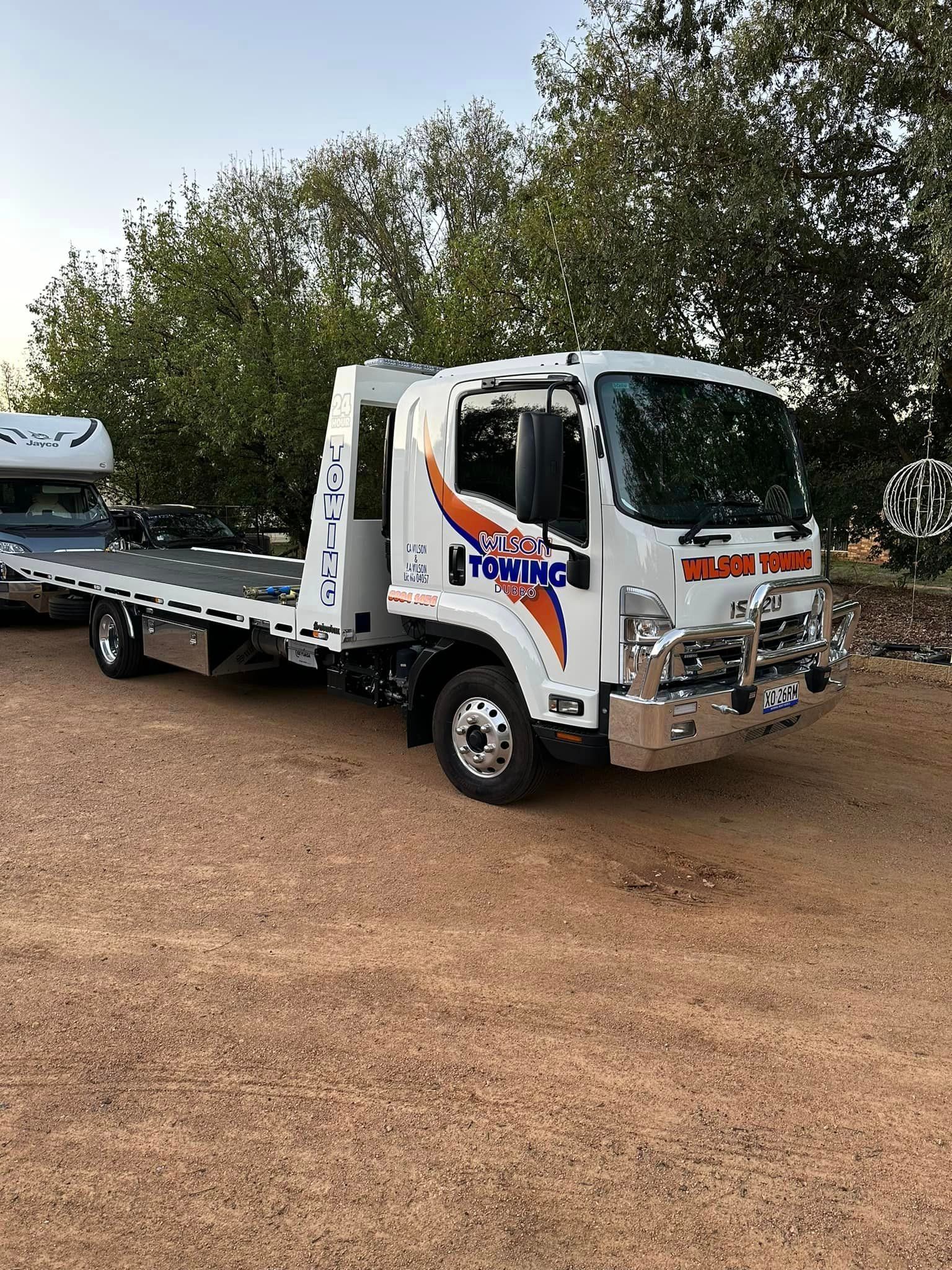
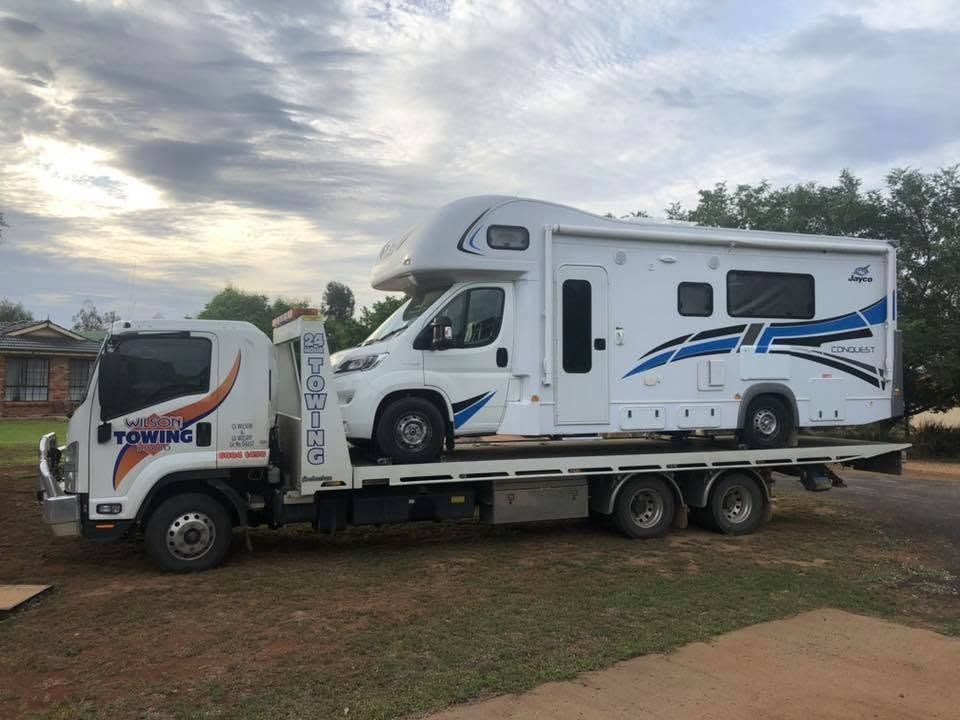
At Wilson Towing Dubbo, we provide caravan and motorhome transport throughout Dubbo and surrounding Central West communities.
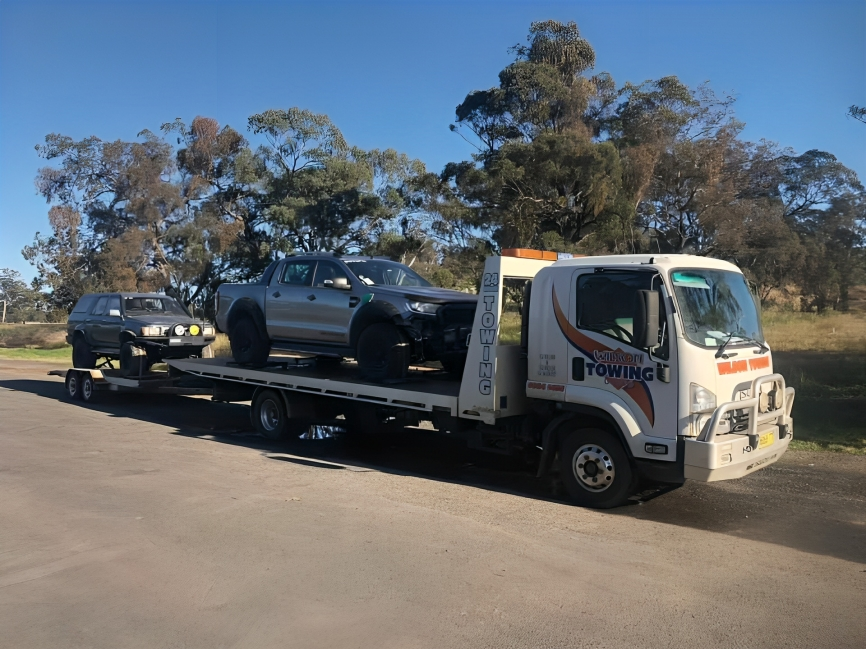
Our caravan transport in Mudgee can assist with relocations and recoveries, while our caravan transport in Dubbo supports local and long-distance transport requirements. We also provide towing in Dubbo for drivers experiencing vehicle breakdowns or other roadside emergencies.
Travel Confidently with Wilson Towing Dubbo
Safe caravan towing starts with understanding your vehicle's limits, checking essential equipment and adjusting your driving to suit road conditions. Taking time to prepare can make your first caravan journey more manageable.
If you're uncomfortable towing your caravan yourself or need assistance with a breakdown, Wilson Towing Dubbo can help. We provide 24/7 towing services and caravan transport throughout the Central West.
Contact us today to discuss your caravan transport needs or arrange professional towing assistance.
Frequently Asked Questions