How Much Does A Tow Truck Cost In Australia?
Breaking down on the side of the road in Australia is stressful enough without the added anxiety of not knowing what a tow truck is going to cost. Most people have no idea what the bill will look like until it arrives, and by that point they have already made the call. Whether you are stranded on a highway, stuck in a carpark after a fender bender or dealing with a breakdown on a remote stretch of road, towing in Dubbo and across regional NSW tends to come with a different set of cost factors than a metro callout. Distances are longer, after-hours situations are more common and the gap between what insurers cover and what gets charged can catch people off guard. This post breaks down the cost of towing Dubbo and regional NSW motorists can expect to pay for a tow truck, what drives those costs up or down and what to keep in mind before you pick up the phone.
What Is the Average Tow Truck Cost in Australia?
Tow truck cost in Australia is not standardised, and costs vary considerably between states, operators and the specifics of each job. That said, there are typical ranges that give a useful starting point for anyone trying to budget or decide whether to call their insurer first.
General cost ranges across Australia:
- A standard local tow within the same suburb or town typically falls between $100 and $250
- A medium-distance tow of 50 to 100 kilometres generally ranges from $200 to $500
- Long-distance towing over 100 kilometres can exceed $500 to $1,000 or more depending on the route and vehicle
- After-hours, weekend and public holiday callouts attract a premium on top of the base rate in most cases
How Tow Truck Operators Calculate Their Fees
Understanding how tow truck fees in NSW are structured helps make sense of why two seemingly similar jobs can come out at very different totals. Most operators work from a base callout fee plus a per-kilometre rate, but additional charges can apply depending on the situation. Knowing what goes into the calculation means fewer surprises on the invoice.
The components that typically make up a towing bill:
- A callout or hook-up fee covers the cost of dispatching the truck and attaching the vehicle, regardless of distance
- A per-kilometre rate applies from the point of pickup to the drop-off location, and this is where regional jobs can climb quickly
- After-hours loading applies on evenings, weekends and public holidays, often adding a flat surcharge or a higher per-km rate
- Additional charges can apply for winching a vehicle out of a ditch or paddock, towing an oversized vehicle or waiting time at the scene
Why Regional NSW Towing Costs More Than Metro Jobs
The cost dynamics of towing in Dubbo and regional NSW are meaningfully different from what someone in Sydney or Melbourne would expect to pay. In a city, the tow truck is rarely more than a few kilometres away and the drop-off is usually local. On a country highway outside Dubbo or further west, the truck may travel a significant distance just to reach the vehicle, and the destination could be another town entirely.
Factors that push regional towing costs higher:
- Dead kilometres, meaning the distance the truck travels to reach you before the job even starts, are often charged or reflected in the base rate for regional callouts
- Drop-off destinations may be 50 to 200 kilometres away in either direction, making distance charges the dominant cost
- Breakdown locations off sealed roads or on properties add complexity and time
- The density of towing operators in regional areas is lower, meaning less price competition and longer response times
After-Hours and Emergency Callout Rates Explained
A breakdown does not wait for business hours, and the reality of after-hours towing is that it costs more. For emergency towing in central west NSW, rates reflect the cost of having a driver available around the clock, maintaining a truck and responding to unpredictable callouts at any time of day or night. For motorists in regional NSW, after-hours situations are particularly common given the volume of long-distance driving through the region.
What to expect from after-hours pricing:
- Most operators apply a surcharge for callouts between roughly 6pm and 6am on weekdays
- Weekend and public holiday rates are typically higher again, sometimes a flat rate uplift of $50 to $150 on top of standard pricing
- Emergency situations involving accident scenes or road hazard clearances may attract additional fees for time spent managing the site
- Always ask what the after-hours rate structure looks like before confirming a booking if time allows
Callout Fees: What You Pay Before the Truck Even Moves
The callout or hook-up fee is one of the most commonly misunderstood parts of a towing invoice. It is the charge applied for dispatching the tow truck in Dubbo or wherever you are located, and it applies regardless of how far the tow ends up being. Some operators include a short local distance within the callout fee; others charge it as a separate flat rate on top of the per-km calculation.
Key things to understand about callout fees:
- Callout fees in Australia typically range from $75 to $200 depending on the operator and region
- This fee is usually non-negotiable once the truck has been dispatched
- In regional areas, some operators build the cost of reaching a remote location into an elevated callout rate rather than charging per-km from their depot
- Confirm the callout fee upfront when you make the booking so the base cost is clear before the truck arrives
Does Car Insurance Cover Towing Costs?
Whether your insurer covers the towing cost in Dubbo or elsewhere depends on your policy type and the circumstances of the breakdown or accident. Comprehensive car insurance policies in Australia often include some level of towing cover, but the conditions and limits vary widely. Roadside assistance add-ons, either through an insurer or a separate provider, typically offer more predictable towing entitlements.
What to check with your insurer before or after a breakdown:
- Comprehensive policies usually cover towing to the nearest repairer following an at-fault or not-at-fault accident, but may not cover a mechanical breakdown
- Some policies cap the towing distance or the dollar amount reimbursed, which can leave a gap on longer regional tows
- Roadside assistance cover through RAA, NRMA or similar organisations typically includes a set towing distance per callout
- Keep the invoice from any towing job as insurers will require documentation when processing a claim
Understanding what triggers a tow in the first place can also help you work out whether a situation is likely to be covered. Our guide on the most common reasons people call towing services in Dubbo is a useful reference if you are unsure whether your situation warrants a call.
Vehicle Type and Condition: How They Affect the Price
Not all vehicles cost the same to tow. The size and weight of the vehicle, its condition and whether it can be moved in a standard way all affect the equipment required and the time the job takes. A motorcycle, a sedan and a large four-wheel drive are three very different propositions for a tow truck operator.
How vehicle characteristics affect towing costs:
- Heavier vehicles including SUVs, utes and vans may attract a higher rate due to the strain on the truck and the equipment required
- Motorcycles often require a specialised flatbed or carrier rather than a standard tow, which can affect the pricing structure
- Vehicles that are damaged, immobilised or have locked wheels need a flatbed rather than a wheel-lift tow, generally at a higher cost
- Vehicles in difficult positions, including rolled, in water or on a steep embankment, require winching and recovery work priced separately from the tow itself
How to Get a Fair Price and Avoid Overcharging
Towing is an industry that operates under pressure, often at odd hours and in stressful circumstances, which is exactly the environment where confusion about pricing can occur. Asking how much does a tow truck cost before one is dispatched is one of the most straightforward ways to avoid invoice shock. A reputable operator will give you a clear indication of costs before the truck rolls out, and if they are reluctant to quote upfront, that is worth noting.
Steps that help you stay in control of towing costs:
- Ask for the callout fee, per-kilometre rate and any after-hours surcharge before confirming the booking
- Confirm the total estimated distance of the tow so you can calculate an approximate cost
- Check your insurance cover before calling a private operator, as your insurer may have a preferred provider arrangement
- Get the operator's name and a reference number for the job in case you need to follow up on the invoice
Straightforward Towing Pricing Across the Central West
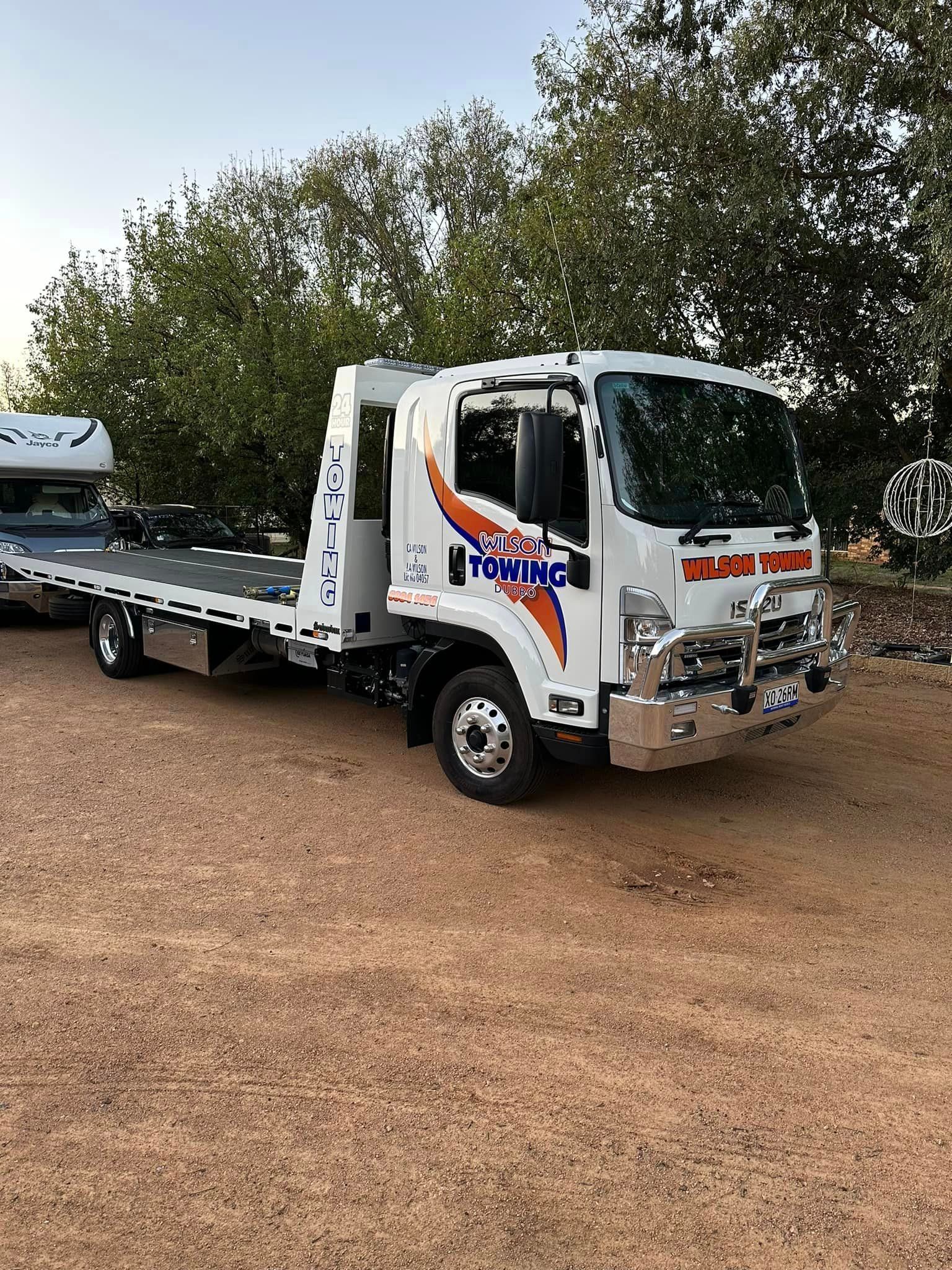
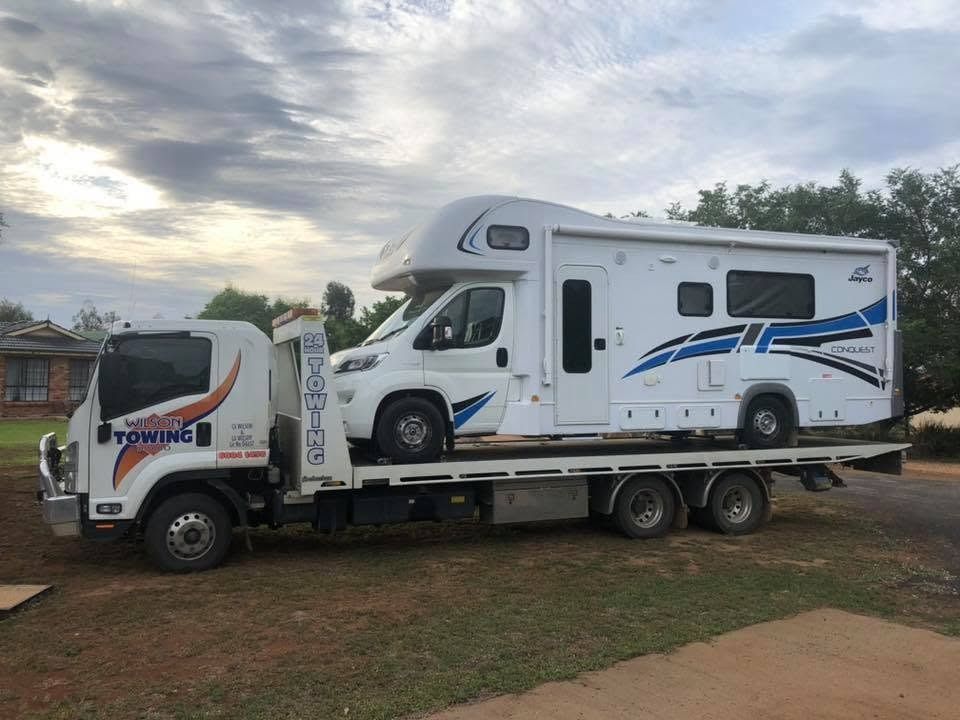
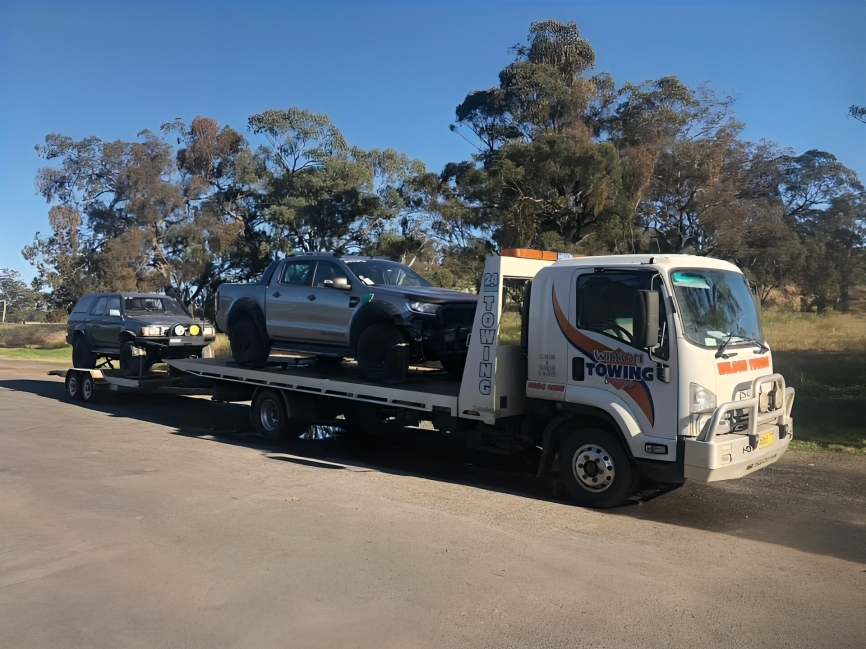
We at Wilson Towing Dubbo operate 24 hours a day, seven days a week, across Dubbo and the broader Central West region. For emergency towing across the Central West of NSW, our team is on call regardless of the distance or the hour, and we give you a clear indication of costs before we send a truck. If you need towing in Dubbo at any hour, we provide transparent, competitive pricing with no surprise fees on the invoice. For a quote or to book a tow, contact us directly and we will give you a straight answer on what your job will cost.